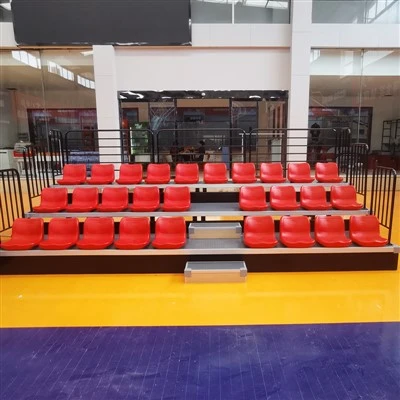
Maintaining a red fixed grandstand is a crucial aspect of ensuring its longevity, safety, and aesthetic appeal. As a supplier of red fixed grandstands, I understand the significance of regular maintenance and the impact it has on the overall performance of these structures. In this blog post, I will discuss how often a red fixed grandstand should be maintained, the key maintenance tasks involved, and why regular upkeep is essential.
How Often Should a Red Fixed Grandstand Be Maintained?
The frequency of maintenance for a red fixed grandstand depends on several factors, including the location, usage, and environmental conditions. Generally, a comprehensive maintenance schedule should include daily, weekly, monthly, quarterly, and annual inspections and tasks. Here's a breakdown of how often each type of maintenance should be performed:
Daily Maintenance
Daily maintenance is the most basic level of upkeep and involves simple tasks that can be completed quickly. These tasks are typically carried out by the venue staff or operators and include:
- Visual Inspections: Conduct a visual inspection of the grandstand to check for any obvious signs of damage, such as loose or missing components, broken seats, or structural issues.
- Cleaning: Remove any debris, trash, or spills from the grandstand seats, aisles, and walkways. This helps to prevent slips and falls and keeps the grandstand looking clean and presentable.
- Safety Checks: Ensure that all safety features, such as handrails, guardrails, and emergency exits, are in good working condition and free from obstruction.
Weekly Maintenance
Weekly maintenance tasks are more in-depth than daily tasks and focus on ensuring the proper functioning of the grandstand's mechanical and electrical systems. These tasks may include:
- Lubrication: Lubricate all moving parts, such as hinges, locks, and seat mechanisms, to prevent rust and ensure smooth operation.
- Electrical Checks: Inspect the electrical wiring, lighting fixtures, and control panels for any signs of damage or malfunction. Test all electrical systems to ensure they are working properly.
- Seat Checks: Check each seat for any signs of wear and tear, such as cracks, fraying, or loose stitching. Replace any damaged seats as needed.
Monthly Maintenance
Monthly maintenance tasks are designed to identify and address any potential issues before they become major problems. These tasks may include:
- Structural Inspections: Conduct a thorough inspection of the grandstand's structure, including the frame, supports, and foundations, to check for any signs of damage or deterioration. Look for cracks, rust, or corrosion, and address any issues immediately.
- Painting and Coating: Inspect the grandstand's paint and coating for any signs of wear or damage. Touch up any areas that are chipped or peeling to prevent rust and corrosion.
- Drainage Checks: Check the grandstand's drainage system to ensure it is clear of debris and functioning properly. Clear any clogged drains or gutters to prevent water damage.
Quarterly Maintenance
Quarterly maintenance tasks are more comprehensive and involve a detailed inspection of the grandstand's entire system. These tasks may include:


- Load Testing: Conduct load testing on the grandstand to ensure it can safely support the maximum number of spectators. This involves applying a simulated load to the grandstand and monitoring its performance.
- Fire Safety Checks: Inspect the grandstand's fire safety systems, including sprinklers, fire alarms, and extinguishers, to ensure they are in good working condition and meet all relevant codes and standards.
- Seismic Checks: If the grandstand is located in an earthquake-prone area, conduct seismic checks to ensure it is structurally sound and can withstand seismic activity.
Annual Maintenance
Annual maintenance is the most extensive level of upkeep and involves a complete overhaul of the grandstand's systems and components. These tasks may include:
- Major Repairs and Replacements: Identify any major repairs or replacements that are needed, such as replacing worn-out seats, repairing damaged structural components, or upgrading the electrical or mechanical systems.
- Compliance Checks: Ensure that the grandstand complies with all relevant codes and standards, including building codes, fire safety codes, and accessibility standards.
- Documentation and Record-Keeping: Maintain detailed records of all maintenance activities, including inspections, repairs, and replacements. This documentation can be used to demonstrate compliance with regulations and to track the grandstand's maintenance history over time.
Key Maintenance Tasks for a Red Fixed Grandstand
In addition to the regular maintenance schedule outlined above, there are several key maintenance tasks that should be performed on a red fixed grandstand to ensure its long-term performance and safety. These tasks include:
Cleaning and Sanitizing
Regular cleaning and sanitizing of the grandstand seats, aisles, and walkways is essential to prevent the spread of germs and bacteria. Use a mild detergent and water to clean the surfaces, and then disinfect them with a suitable disinfectant. Pay special attention to high-touch areas, such as handrails and seat backs.
Painting and Coating
The paint and coating on a red fixed grandstand not only enhance its aesthetic appeal but also provide protection against rust and corrosion. Over time, the paint and coating may wear off or become damaged, exposing the underlying metal to the elements. To prevent this, it is important to inspect the paint and coating regularly and touch up any areas that are chipped or peeling.
Structural Repairs and Reinforcements
The structure of a red fixed grandstand is its most important component, as it provides the support and stability needed to safely hold spectators. Over time, the structure may become damaged or weakened due to wear and tear, environmental factors, or other causes. To ensure the safety of the grandstand, it is important to conduct regular structural inspections and address any issues immediately. This may involve making minor repairs, such as tightening bolts or replacing damaged components, or more major repairs, such as reinforcing the structure or replacing entire sections of the grandstand.
Electrical and Mechanical System Maintenance
The electrical and mechanical systems in a red fixed grandstand, such as lighting, ventilation, and seating mechanisms, are essential for the comfort and safety of spectators. These systems should be inspected and maintained regularly to ensure they are working properly and meet all relevant codes and standards. This may involve testing the electrical wiring, replacing worn-out components, and lubricating moving parts.
Safety Feature Inspections
The safety features of a red fixed grandstand, such as handrails, guardrails, and emergency exits, are designed to prevent accidents and protect spectators in the event of an emergency. These features should be inspected regularly to ensure they are in good working condition and free from obstruction. This may involve checking the integrity of the handrails and guardrails, testing the emergency exits, and ensuring that all safety signs and markings are clearly visible.
Why Regular Maintenance Is Essential
Regular maintenance of a red fixed grandstand is essential for several reasons, including:
Safety
The safety of spectators is the top priority when it comes to grandstand maintenance. Regular inspections and maintenance can help to identify and address any potential safety hazards, such as loose or missing components, structural damage, or electrical problems, before they cause an accident. By ensuring that the grandstand is in good working condition, you can help to prevent injuries and fatalities and provide a safe environment for spectators.
Longevity
A well-maintained red fixed grandstand can last for many years, providing a reliable and cost-effective seating solution for your venue. Regular maintenance can help to prevent wear and tear, corrosion, and other forms of damage, which can extend the lifespan of the grandstand and reduce the need for costly repairs or replacements.
Aesthetic Appeal
The appearance of a red fixed grandstand can have a significant impact on the overall look and feel of your venue. Regular cleaning, painting, and maintenance can help to keep the grandstand looking clean, fresh, and attractive, which can enhance the spectator experience and make your venue more appealing to potential customers.
Compliance
Grandstands are subject to a variety of codes and regulations, including building codes, fire safety codes, and accessibility standards. Regular maintenance can help to ensure that your grandstand complies with all relevant codes and standards, which can help to avoid costly fines and legal issues.
Conclusion
Maintaining a red fixed grandstand is a complex and ongoing process that requires regular attention and care. By following a comprehensive maintenance schedule and performing the key maintenance tasks outlined in this blog post, you can help to ensure the safety, longevity, and aesthetic appeal of your grandstand. If you are in the market for a red fixed grandstand or have any questions about grandstand maintenance, please [contact us] to discuss your needs and learn more about our products and services. We are a leading supplier of Plastic Bleacher Seats, Fixed Spectator Grandstand, and Permanent Grandstand, and we are committed to providing our customers with the highest quality products and services at competitive prices.
References
- International Code Council. (2021). International Building Code.
- National Fire Protection Association. (2021). NFPA 101: Life Safety Code.
- Americans with Disabilities Act Accessibility Guidelines. (2010). U.S. Access Board.