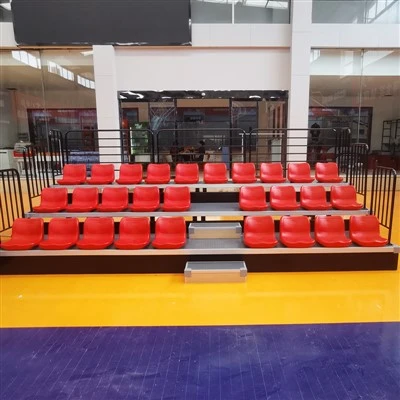
Plastic bleacher seats have become a popular choice for various seating applications due to their durability, affordability, and ease of maintenance. However, when it comes to saltwater environments, such as coastal stadiums, beachside arenas, or marine-themed event spaces, concerns arise about how well these seats can withstand the harsh conditions. As a supplier of Plastic Bleacher Seats, I have encountered numerous inquiries regarding the performance of our products in saltwater settings. In this blog post, I will delve into the science behind plastic's interaction with saltwater, examine the factors that affect the longevity of plastic bleacher seats in such environments, and share some tips on how to ensure their optimal performance.
Understanding the Impact of Saltwater on Plastic
Saltwater is a complex mixture of water and various dissolved salts, primarily sodium chloride. When plastic comes into contact with saltwater, several chemical and physical processes can occur that may affect its integrity over time. One of the main concerns is the potential for corrosion, which is the gradual deterioration of a material due to chemical reactions with its environment. While plastic is generally more resistant to corrosion than metals, certain types of plastics can still be susceptible to degradation when exposed to saltwater.
One of the key factors that influence the corrosion resistance of plastic is its chemical composition. Different types of plastics have different molecular structures and properties, which can determine their resistance to chemical attack. For example, polyvinyl chloride (PVC) is a commonly used plastic in bleacher seat manufacturing due to its high strength, durability, and resistance to moisture. PVC is relatively resistant to saltwater corrosion, but it can still be affected by prolonged exposure to high concentrations of salt and other chemicals.


Another factor that can affect the performance of plastic bleacher seats in saltwater environments is the presence of UV radiation. UV radiation from the sun can cause plastic to degrade over time, leading to discoloration, cracking, and loss of strength. Saltwater can also enhance the effects of UV radiation by acting as a catalyst for chemical reactions that break down the plastic. Therefore, it is important to choose plastic bleacher seats that are specifically designed to resist UV radiation and are made from high-quality materials that can withstand the combined effects of saltwater and sunlight.
Factors Affecting the Longevity of Plastic Bleacher Seats in Saltwater Environments
In addition to the chemical composition and UV resistance of the plastic, several other factors can affect the longevity of plastic bleacher seats in saltwater environments. These factors include:
- Exposure time: The longer the plastic bleacher seats are exposed to saltwater, the greater the risk of corrosion and degradation. Therefore, it is important to minimize the exposure time of the seats to saltwater as much as possible. This can be achieved by installing the seats in a location that is protected from direct contact with saltwater, such as under a roof or awning.
- Salt concentration: The concentration of salt in the water can also affect the rate of corrosion of the plastic. Higher salt concentrations can accelerate the chemical reactions that cause corrosion, so it is important to monitor the salt concentration in the water and take appropriate measures to reduce it if necessary.
- Temperature: Temperature can also play a role in the corrosion of plastic. Higher temperatures can increase the rate of chemical reactions, which can lead to faster degradation of the plastic. Therefore, it is important to choose plastic bleacher seats that are designed to withstand the temperature range of the environment in which they will be installed.
- Maintenance: Proper maintenance is essential for ensuring the longevity of plastic bleacher seats in saltwater environments. Regular cleaning and inspection can help to remove any salt or other contaminants that may have accumulated on the seats, which can reduce the risk of corrosion and degradation. It is also important to follow the manufacturer's recommendations for maintenance and repair to ensure that the seats are kept in good condition.
Tips for Ensuring the Optimal Performance of Plastic Bleacher Seats in Saltwater Environments
To ensure the optimal performance of plastic bleacher seats in saltwater environments, it is important to take the following steps:
- Choose the right plastic: As mentioned earlier, different types of plastics have different properties and resistance to corrosion. When choosing plastic bleacher seats for a saltwater environment, it is important to choose a plastic that is specifically designed to resist saltwater corrosion and is made from high-quality materials. Some examples of plastics that are commonly used in saltwater applications include polyethylene, polypropylene, and fiberglass-reinforced plastic (FRP).
- Install the seats correctly: Proper installation is essential for ensuring the stability and durability of plastic bleacher seats. When installing the seats in a saltwater environment, it is important to follow the manufacturer's recommendations for installation and use appropriate hardware and fasteners that are resistant to corrosion. It is also important to ensure that the seats are installed on a stable and level surface to prevent any movement or shifting that could cause damage to the seats.
- Protect the seats from UV radiation: As mentioned earlier, UV radiation can cause plastic to degrade over time, leading to discoloration, cracking, and loss of strength. To protect the plastic bleacher seats from UV radiation, it is important to choose seats that are specifically designed to resist UV radiation and are made from high-quality materials that can withstand the combined effects of saltwater and sunlight. It is also important to provide some form of shade or protection for the seats, such as a roof or awning, to reduce their exposure to direct sunlight.
- Clean and maintain the seats regularly: Regular cleaning and maintenance are essential for ensuring the longevity of plastic bleacher seats in saltwater environments. It is important to clean the seats regularly with a mild detergent and water to remove any salt or other contaminants that may have accumulated on the seats. It is also important to inspect the seats regularly for any signs of damage or wear and to repair or replace any damaged parts as soon as possible.
Conclusion
In conclusion, plastic bleacher seats can be a suitable choice for saltwater environments if they are made from high-quality materials, are properly installed, and are maintained regularly. While plastic is generally more resistant to corrosion than metals, it can still be affected by prolonged exposure to saltwater and other environmental factors. By understanding the factors that affect the performance of plastic bleacher seats in saltwater environments and taking appropriate measures to protect and maintain them, you can ensure that your seats will provide reliable and comfortable seating for many years to come.
If you are interested in purchasing Plastic Bleacher Seats for your saltwater environment, please do not hesitate to contact us. We offer a wide range of high-quality plastic bleacher seats that are specifically designed to withstand the harsh conditions of saltwater environments. Our experienced team can help you choose the right seats for your needs and provide you with professional installation and maintenance services to ensure that your seats are installed correctly and kept in good condition. Contact us today to learn more about our products and services and to start the procurement negotiation process.
References
- ASTM International. (2021). Standard test methods for evaluating the resistance of plastics to environmental stress cracking. ASTM D1693-19.
- PlasticsEurope. (2020). Plastics – the facts 2020. An analysis of European plastics production, demand and waste data.
- The American Chemistry Council. (2021). Plastic products.